
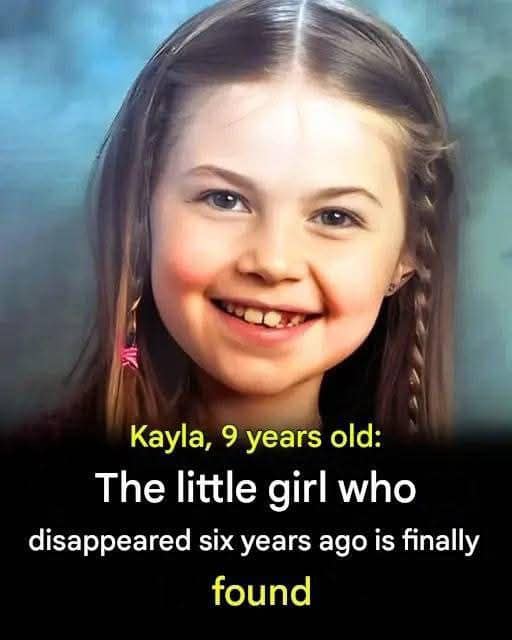
In the 1990s, television played a vital role in missing persons cases.
In France, Jacques Pradel’s Perdu de vue (Missing from View) became a cultural touchstone — reuniting families separated by time, trauma, or circumstance.
Viewers would write letters, make calls, or visit police stations after recognizing a face on screen.
It was low-tech, heartfelt, and effective.
Fast forward to today:
- Platforms like Netflix, Hulu, and YouTube reach millions overnight
- A single episode can go viral on TikTok or Reddit
- Viewers spot clues in backgrounds, accents, or clothing details
The difference?
Now, a witness doesn’t need to be local — just attentive.
Real Cases Where Media Helped Break the Silence
Law enforcement now works with production teams to ensure accuracy and maximize impact.
Ethical Responsibility in True Crime
With great reach comes great responsibility.
Responsible storytelling means:
- Protecting the dignity of victims and families
- Avoiding speculation or false accusations
- Collaborating with law enforcement
- Encouraging viewers to report tips through official channels
Sensationalism harms real people.
Respect builds trust — and results.
Final Thoughts
We may no longer gather around the TV to watch Perdu de vue with pen and paper ready…
But we haven’t stopped caring.
Today, our phones buzz with alerts, our feeds scroll with mysteries, and sometimes — just sometimes — we see something that makes us stop, look closer, and act.
And in that moment, we become part of the solution.
Because solving a missing person’s case isn’t just about forensics or data.
It’s about human connection — sparked by a face on a screen, remembered by someone, somewhere.
And that kind of hope?
It’s always in season.
