
9. Why Induction and Powerful Gas Burners Overflow Faster
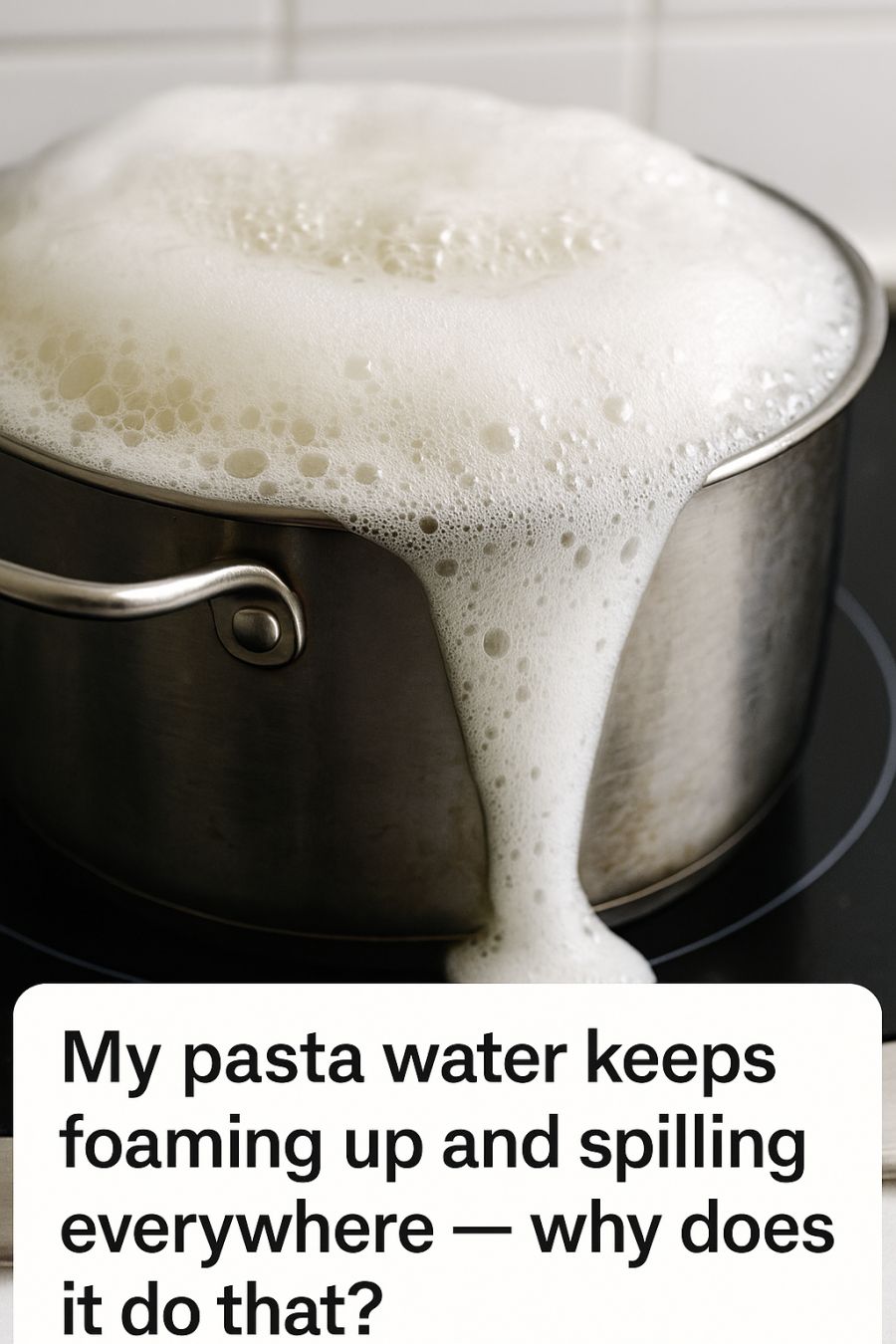
Induction and high-powered gas burners can bring water to a boil much faster than conventional electric stoves. This rapid increase in temperature can cause the pasta water to foam and boil over more quickly.
The intense heat input from these powerful burners can also maintain a rolling boil more easily, increasing the likelihood of foam formation and spillovers. Adjusting the heat to a simmer after the water reaches a boil can help manage foam levels.
10. Stirring, Skimming, and Other Simple Habits That Prevent Foam
Regularly stirring the pasta can help prevent foam from building up by disrupting the bubbles and allowing steam to escape. This simple action can reduce the amount of foam and help prevent boil-overs.
Skimming foam off the top of the boiling water with a spoon can also be effective. By removing the foam, you reduce the overall volume and prevent it from spilling over. Additionally, keeping an eye on the pot and adjusting the heat as needed is crucial in managing foam levels.
11. When Foaming Is a Red Flag: Residue, Hard Water, and Dirty Pots
Excessive foaming can sometimes indicate issues such as residue in the pot or hard water. Residue from previous cooking sessions can introduce additional proteins and impurities, enhancing foam formation.
Hard water, with its high mineral content, can react with starch and proteins to stabilize foam. Using a clean pot and soft water can reduce these effects, leading to less foam and cleaner cooking.
12. Smart Gear and Gadgets That Can Tame Starchy Boil-Overs
Several gadgets and gear can help manage boil-overs. Silicone spill stoppers, designed to fit over pots, can prevent foam from spilling by allowing steam to escape while containing the foam.
Pot inserts or larger pots can also help manage foam by providing more space for expansion. Investing in these tools can make boiling pasta more manageable and less messy.
13. When to Worry (And When to Just Turn the Heat Down)
In most cases, foam and boil-overs are not indicative of a serious problem, and simply reducing the heat can effectively manage them. However, if foaming persists despite taking preventive measures, it may be worth investigating potential issues with water quality or pot cleanliness.
Understanding the causes of foam and using the right techniques can make pasta cooking a smoother experience. By staying attentive and making small adjustments, you can prevent messy boil-overs and enjoy your pasta dishes without the hassle.
