
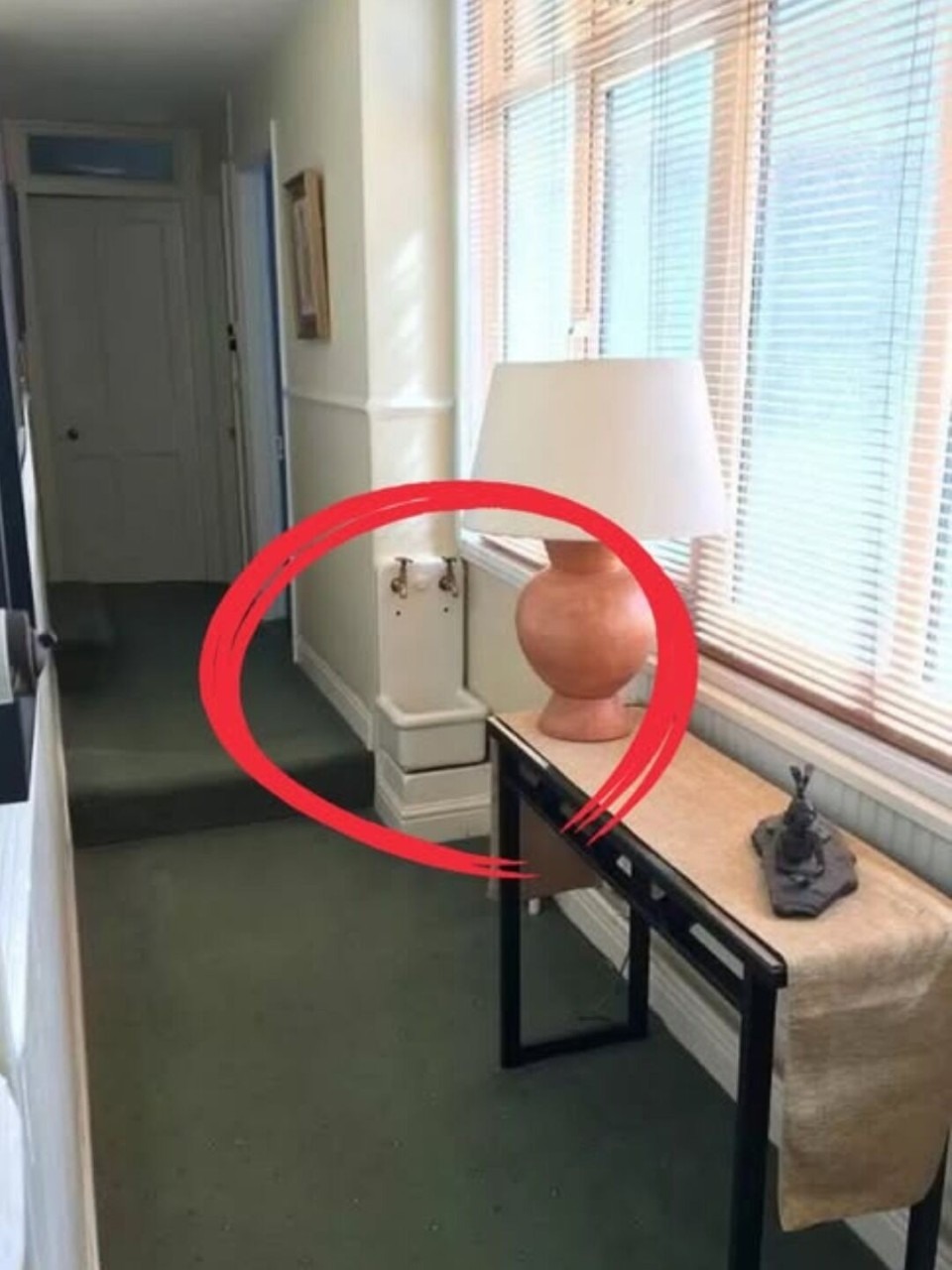
The architectural landscape of historic homes is often a tapestry of peculiar decisions and vanished necessities, leaving modern inhabitants to puzzle over features that once seemed indispensable. When walking through a residence built at the turn of the twentieth century, one might expect the familiar groaning of floorboards or the intricate woodwork of a sweeping staircase. However, a far more jarring sight often awaits in the corridors: a solitary, porcelain sink bolted to the wall in the middle of a hallway. It is not tucked into a powder room or hidden behind a door; it stands exposed between bedrooms or…The architectural landscape of historic homes is often a tapestry of peculiar decisions and vanished necessities, leaving modern inhabitants to puzzle over features that once seemed indispensable. When walking through a residence built at the turn of the twentieth century, one might expect the familiar groaning of floorboards or the intricate woodwork of a sweeping staircase. However, a far more jarring sight often awaits in the corridors: a solitary, porcelain sink bolted to the wall in the middle of a hallway. It is not tucked into a powder room or hidden behind a door; it stands exposed between bedrooms or near the back entrance, looking to the uninitiated like a plumbing oversight or a misplaced relic from a Victorian hospital. Yet, these hallway sinks were far from a mistake; they were the high-tech hygiene hubs of their era, reflecting a profound shift in how humans interacted with their living spaces and the emerging science of sanitation.
ADVERTISEMENT
