
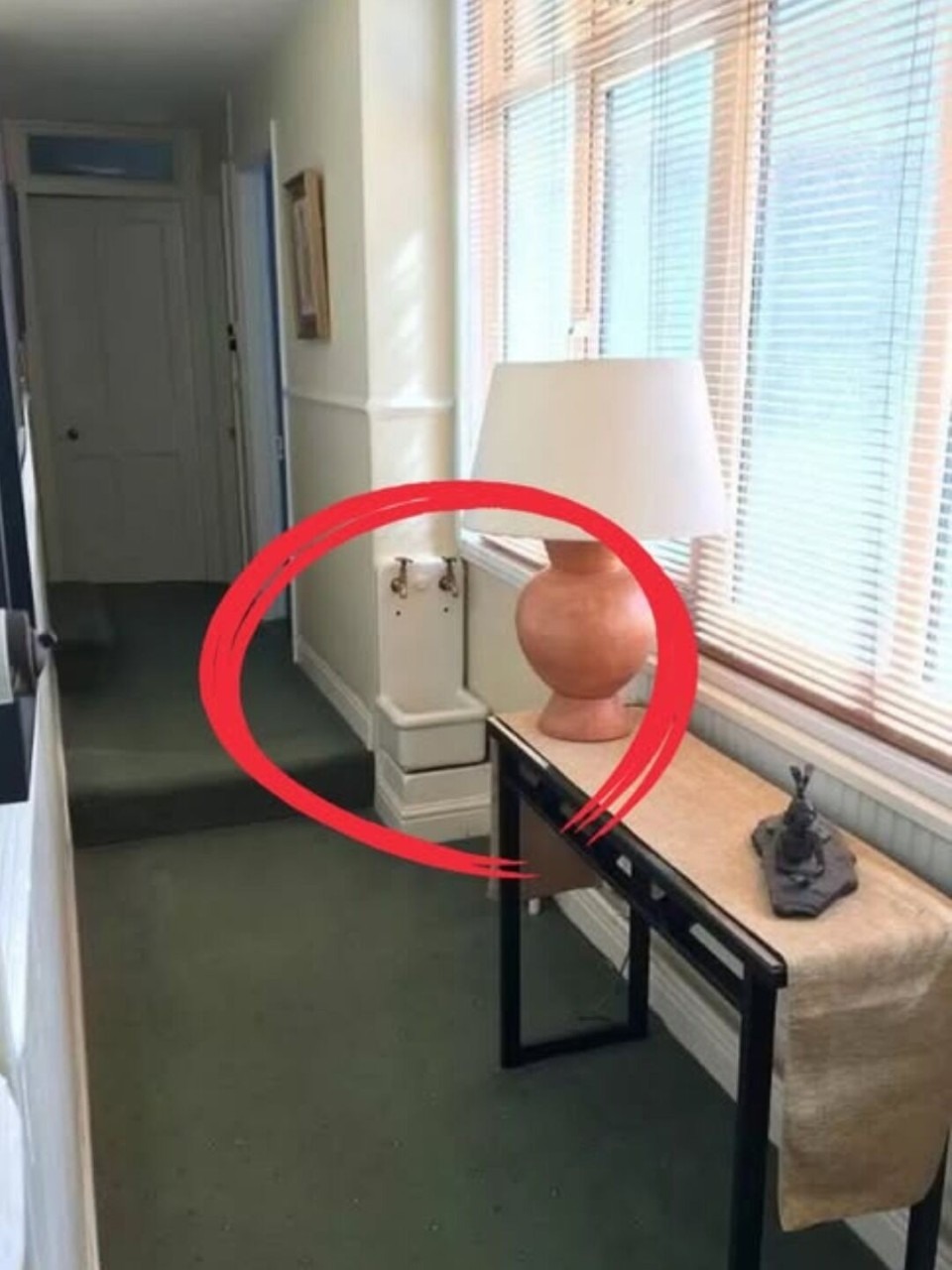
The placement of these sinks also tells us a story about the materials and technology of the time. Because piping was expensive and difficult to install within existing walls, sinks were often placed where the plumbing stack was most accessible. This frequently resulted in the sink appearing in a “random” spot in a corridor because that was the most direct route for the water lines. What looks like an aesthetic blunder to a 2026 homeowner was, in 1910, a marvel of engineering that maximized the reach of a home’s water pressure with minimal invasive construction.
As we moved further into the 20th century, the “sanitary movement” continued to evolve, eventually leading to the creation of the dedicated half-bath or powder room. Once architects realized that people preferred to wash their hands behind a closed door, the exposed hallway sink began its slow decline into obsolescence. By the 1940s, new constructions had almost entirely moved toward the “multiple bathroom” model, and the hallway sink became a relic of a transitional period. Today, these fixtures are frequently misinterpreted by visitors. Some mistake them for “foot washers” or elaborate “spittoons,” while others assume they were intended for the help. In reality, they were a democratic feature used by every member of the family, a symbol of a household that valued both its time and its health.
ADVERTISEMENT
