
4. Why a Rolling Boil Makes Overflows Much More Likely
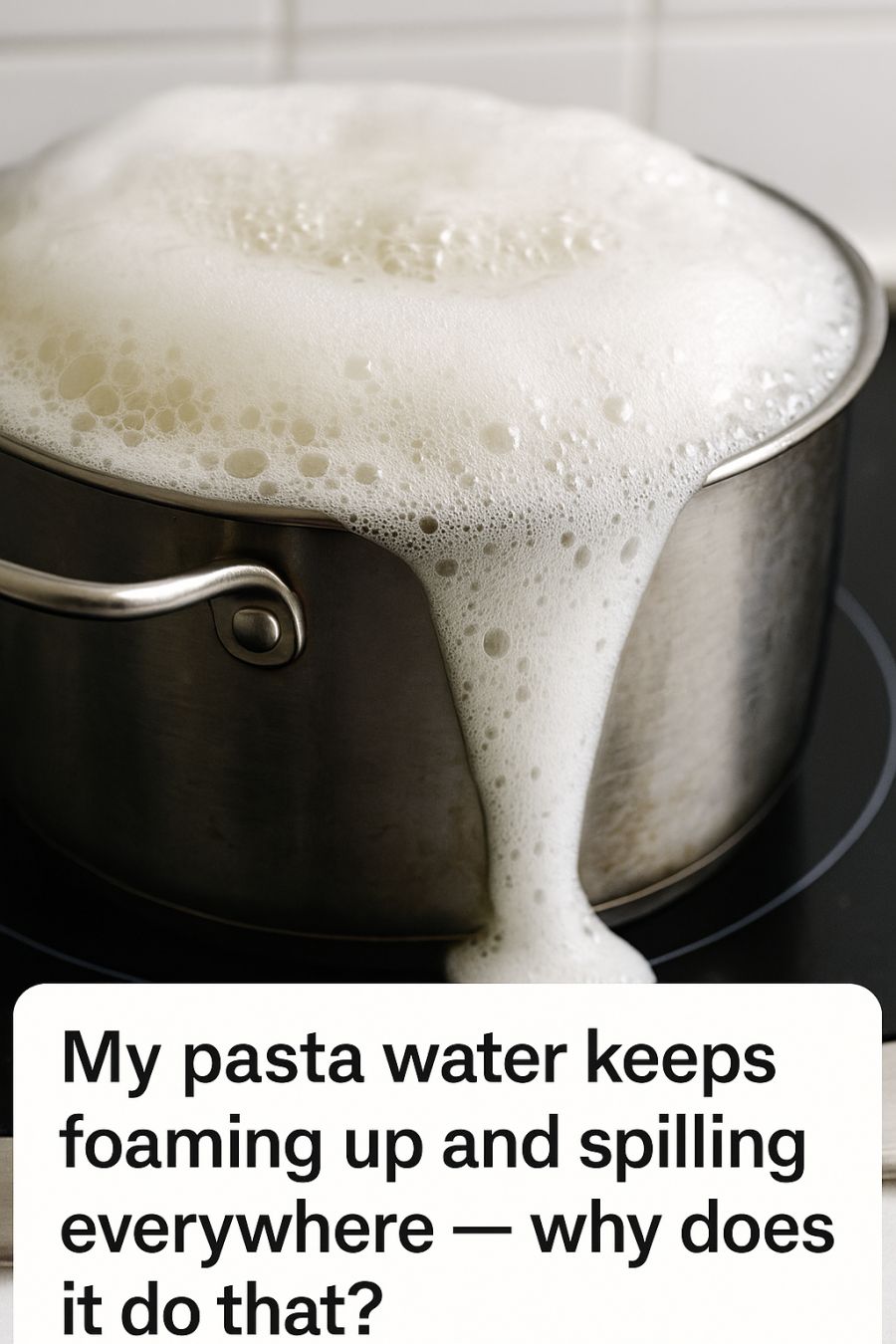
A rolling boil is characterized by large, vigorous bubbles that agitate the water. This intense agitation can quickly build up foam, as more bubbles are created and stabilized by the starch and proteins in the water.
When the water reaches a rolling boil, the energy introduced into the system can cause the foam to rise rapidly, often exceeding the capacity of the pot and leading to spillovers. The continuous motion of the water keeps introducing more air into the starch-laden liquid, perpetuating the foam production.
5. Pot Size, Water Level, and the Physics of Boil-Overs
The size of the pot and the amount of water used can significantly affect the likelihood of a boil-over. A pot that is too small or filled too high leaves little room for foam expansion, increasing the chances of an overflow.
Using a larger pot with ample space above the water level can help prevent boil-overs. This extra space allows the foam to build up without spilling over the sides, giving you more time to react and reduce the heat if necessary.
6. How Different Pasta Shapes and Types Change Foam Levels
Different pasta shapes and types can release varying amounts of starch and protein, affecting foam levels. For example, thinner pasta like angel hair tends to release starch quickly, which can increase foaming, whereas thicker pasta like rigatoni may release starch more slowly.
Additionally, whole grain and enriched pastas typically contain more proteins and fibers, which can contribute to more foam stability and volume. Understanding these differences can help you adjust your cooking method to minimize foam.
7. Salt, Oil, and Other Add-Ins: Do They Help or Hurt?
Adding salt to pasta water is a common practice to enhance flavor, but it can also impact foaming. Salt can slightly increase the water’s boiling point, which might reduce foam formation by lowering the energy available to create bubbles. However, this effect is usually minimal.
Adding oil to pasta water is often thought to reduce foam and prevent pasta from sticking. While oil can help reduce surface tension, potentially decreasing foam, it may not be effective in preventing boil-overs. The oil tends to float on top of the water and may not significantly affect the foam formed by starches and proteins.
8. The Viral Wooden Spoon Trick: Science or Kitchen Myth?
Placing a wooden spoon across the top of a pot of boiling pasta water is a popular trick claimed to prevent boil-overs. The theory is that the spoon breaks the bubbles as they rise, preventing foam from building up.
While this trick can be somewhat effective, it’s not foolproof. The spoon can disrupt the surface tension of the bubbles, but if the boil is vigorous enough, foam can still accumulate and spill over. It works best as a temporary measure, providing a few seconds to react and reduce the heat.
ADVERTISEMENT
