
Groceries
 What’s Usually Safe After the Date?
Food How Long Past the Date Notes
Milk 5–7 days If refrigerated and smells fine
Yogurt & Cheese 1–2 weeks Cut off mold on hard cheese
Eggs 3–5 weeks Try the float test — fresh eggs sink
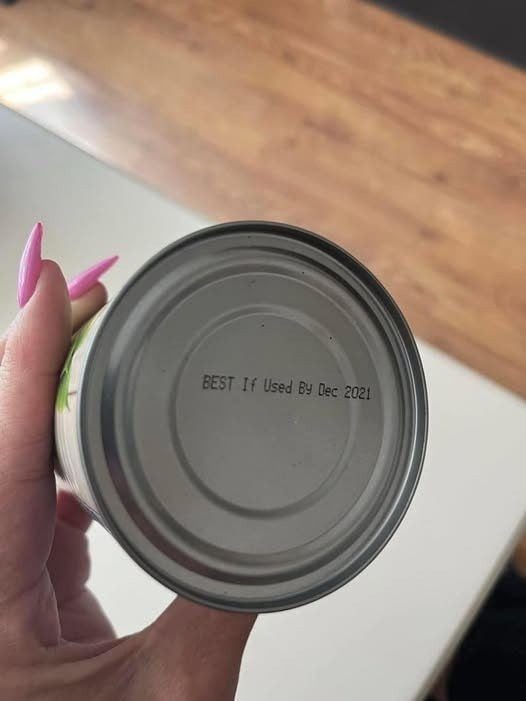
Canned Goods 1–5 years If undamaged and stored properly
Dry Pasta, Rice, Cereal
Discover more
meat
6–12 months Watch for bugs or off smells
Frozen Foods Indefinitely safe Quality dips after 6–12 months
 Freezing stops bacteria growth — so freeze leftovers before the date!
 When to Toss It Immediately
When to Toss It Immediately
Some foods should never be risked:Groceries
Raw Meat/Poultry: Slimy texture, foul odor, or grayish color
Vacuum-Sealed Deli Meats: Sour smell or slimy film — high risk for listeria
Cut Produce or Leftovers: Mold, mushiness, or sour smell (especially if over 4 days old)
Baby Formula: Never use after “Expires On” — nutrient levels degrade
 High-risk groups (pregnant women, elderly, immunocompromised individuals) should be extra cautious.
 The Big Cost of Misunderstanding Dates
Food waste is a global issue:
 Americans waste over 100 billion pounds of food annually
 The average family loses $1,500+ per year
 Wasted food in landfills produces methane, a potent greenhouse gas
Simplified date labeling could cut waste by over 800,000 tons per year (ReFED estimate).
Tips to Reduce Food Waste
Learn label meanings
Stop tossing good food
Store food properly
Extend freshness (e.g., herbs in water, berries washed in vinegar)
Use the FIFO method — “First In, First Out” to use older items first
Freeze extras — bread, milk, cooked meals, even cheese
Compost scraps — turn peels and coffee grounds into garden gold
 Pro Tip: Make a “Use Me First” bin in your fridge for items nearing their date.
Debunking the Myths
“Expiration dates are set by the government.”
False — they’re mostly set voluntarily by manufacturers.
“One day past the date = dangerous.”
Not true — spoilage takes time and depends on storage.
“All moldy food must be thrown away.”
Not always — hard cheeses and firm veggies can be trimmed.Groceries
“If it looks okay, it’s safe.”
Risky — some harmful bacteria (like listeria) don’t change appearance.
Final Thoughts
You don’t need to live in fear of your fridge.
You just need to read labels wisely, trust your senses, and stop letting arbitrary dates dictate your trash can.
So next time you’re staring at a carton of milk…
sniff it.
Check it.
Use it.
ADVERTISEMENT
