
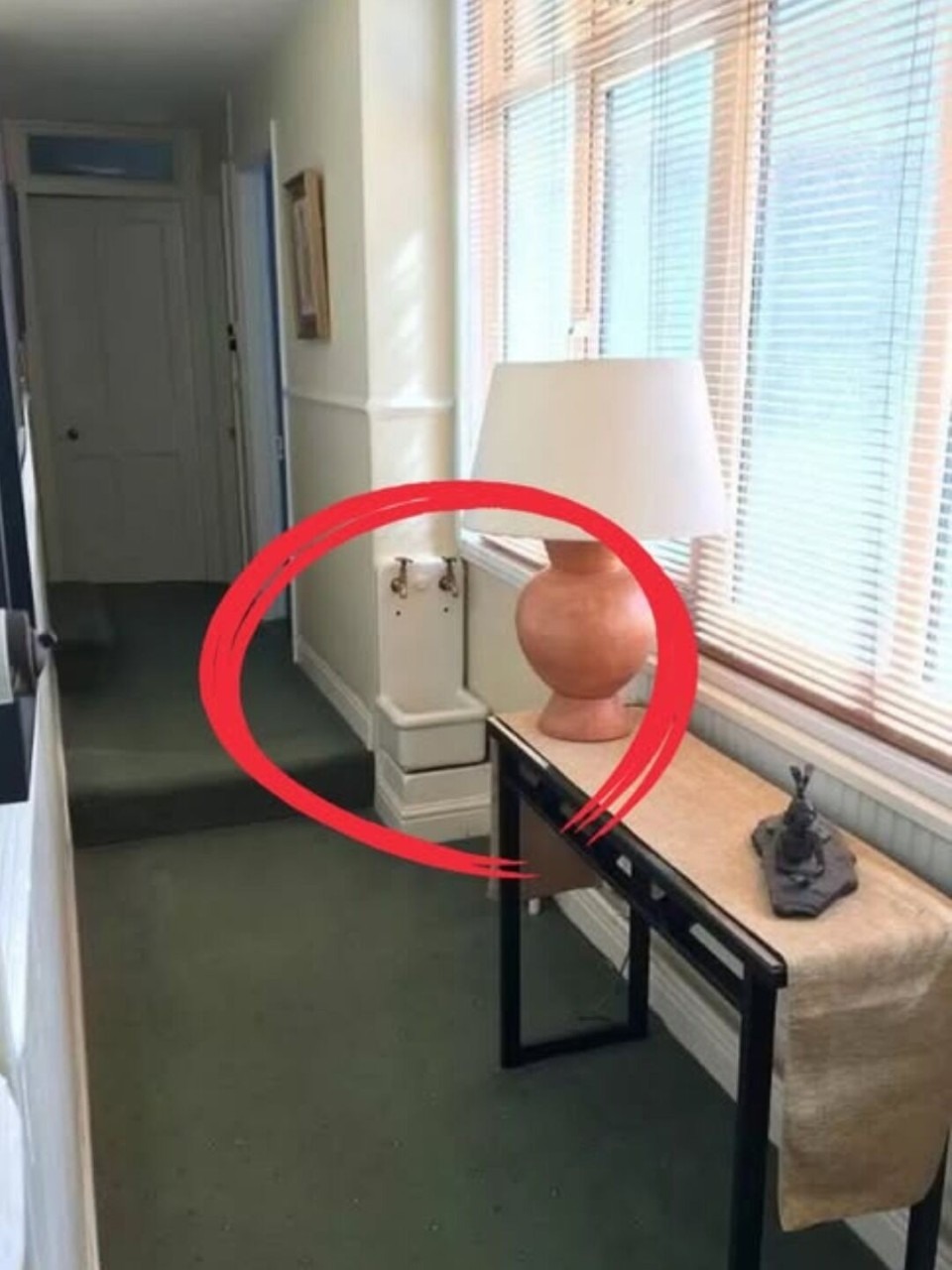
The hallway sink was born out of a desperate need for convenience and a growing obsession with “germ theory.” As the public became more aware of how diseases spread, the act of handwashing moved from a cosmetic ritual to a life-saving necessity. For a family living in a Victorian farmhouse or an early 20th-century city row house, the prospect of climbing a flight of stairs every time a hand needed rinsing was both impractical and messy. The hallway sink provided a “hygiene station” that allowed for a quick transition from the dirty world of the outdoors to the sanitized sanctuary of the home. It was the original mudroom, designed to capture dirt, soot, and bacteria at the threshold before they could be tracked into the parlor or the kitchen.
ADVERTISEMENT
